How to Choose the Right Fencing & Posts to Withstand British Winters in Kent

British winters are notoriously tough on garden boundaries. Between gale-force coastal winds sweeping across Kent, persistent rain saturating the soil, and sudden freeze-thaw cycles, an inferior fencing setup can easily bow, rot, or collapse before spring arrives.
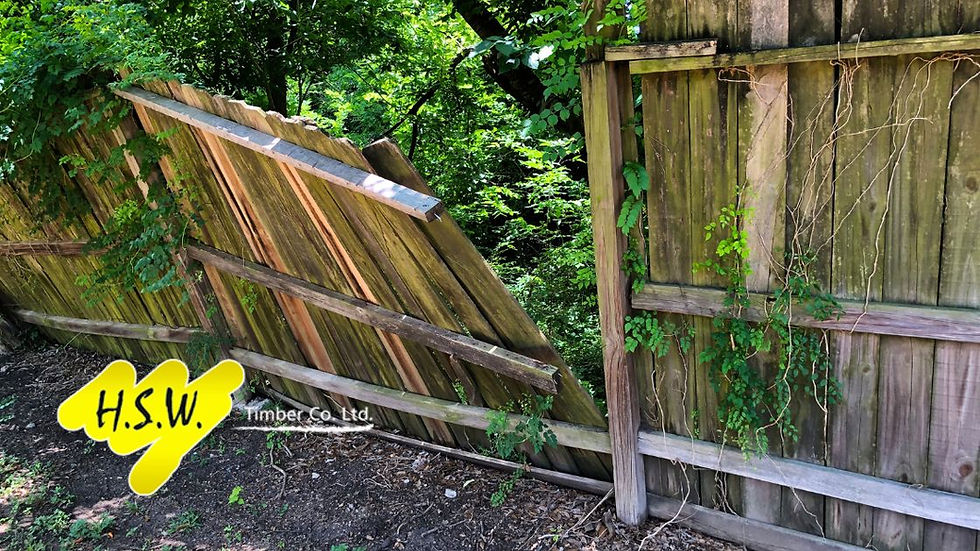
At HSW Timber, we see the aftermath of winter storms every year at our trade yards in Chislehurst and Brasted. The key to a fence that stands strong year after year lies in choosing the correct materials, structural specifications, and installation methods from the very beginning. Here is our expert guide on how to specify winter-ready fencing for your Kent home or trade project.
Understanding Timber Treatment: UC3 vs UC4
One of the most common mistakes when buying fencing materials is assuming all pressure-treated timber offers the same level of protection. In the UK standard grading system, timber treatment is categorized into Use Classes:
* UC3 (Use Class 3): Engineered for external timber used above ground. This is the ideal treatment for fence panels, featheredge boards, arris rails, and gravel boards.
* UC4 (Use Class 4): Deeply pressure-treated to withstand direct ground contact and constant moisture. This standard is essential for wooden fence posts set into soil or concrete.
Installing a UC3-rated post into the ground will lead to premature rot at the soil line, where moisture and oxygen interact. At HSW Timber, we always advise using dedicated UC4 pressure-treated timber for fence posts to ensure maximum ground-line life.
Selecting the Right Fence Posts: Wood vs Concrete
The backbone of any fencing run is the support post. Your choice of post material determines how well the fence withstands winter wind loading.
Timber Posts
Heavy-duty 100mm x 100mm (4x4 inch) square timber posts provide a clean, traditional aesthetic. When specifying timber posts, insist on UC4 pressure-treated softwood. Timber posts offer flexibility and easier fixing for gravel boards and rails. To prolong their lifespan in damp Kent clay soil, treat any cut ends with a specialized end-grain preservative before installation.
Concrete Posts
For maximum resistance against high winds and waterlogging, concrete fence posts are unmatched. Concrete will not rot, warp, or split regardless of ground moisture. Slotted concrete posts allow fence panels to drop directly into place, making future panel maintenance quick and straightforward.
Choosing the Right Panels: Closeboard vs Lap Panels
Wind resistance is the single most critical factor during winter storms across exposed Kent gardens.
* Featheredge / Closeboard Fencing: This is the gold standard for strength. Constructed from overlapping vertical featheredge boards fixed to horizontal arris rails, closeboard fencing creates a solid, rigid barrier that disperses wind pressure evenly across the entire structure.
* Standard Lap Panels: Overlapped horizontal pine panels offer a cost-effective solution, but they can be vulnerable to severe wind gusts if not supported by sturdy posts and gravel boards.
* Trellis Top Panels: Adding an open-lattice trellis section to the top 300mm of a solid fence panel allows high winds to pass through rather than creating a solid "sail" effect that puts extreme force on the posts.
The Unsung Hero: Gravel Boards
A fence panel should never make direct contact with wet soil, leaf litter, or grass. Sitting directly on damp ground causes moisture to wick upward into the vertical timber, causing early decay and fungal attack.
Installing a concrete or pressure-treated timber gravel board at the base of your fence elevates the main panels 150mm clear of the ground. Replacing a worn gravel board after five to ten years is far easier and less expensive than replacing an entire run of fence panels.
Tips for Winter-Proof Installation
1. Set Posts Deep: A rule of thumb is setting one-third of the post length into the ground (minimum 600mm deep) secured with rapid-setting Post Mix concrete.
2. Ensure Free Drainage: In heavy Kent clay, add a bed of ballast or gravel to the base of the post hole before pouring concrete to prevent standing water under the post.
3. Crown the Concrete Base: Slope the top of the concrete footings away from the post at ground level so rainwater sheds away rather than pooling against the timber.
Whether you need a single replacement panel after a storm or a complete run of UC4 posts, closeboard panels, and gravel boards, HSW Timber has you covered.
Visit our fully stocked trade yards in Chislehurst and Brasted, or speak to our knowledgeable team to arrange fast, direct delivery to your site or home anywhere in Kent and South East London.


Comments